
10 Tips to Afford Orthodontic Care Without Insurance
When John, a single father of two, discovered his daughter needed braces, the steep cost without insurance seemed daunting.
We’ve navigated through similar situations and found multiple ways to manage orthodontic expenses effectively. From exploring flexible payment plans offered by dental clinics to tapping into lesser-known resources like dental school services, there are viable strategies to ease the financial burden.
But that’s just the beginning. Uncovering the right mix of options requires understanding each pathway’s nuances and potential savings.
Let’s embark on this journey together, uncovering tips to afford necessary orthodontic care without breaking the bank.
Key Takeaways
- Explore flexible payment plans and negotiate costs with orthodontists upfront.
- Consider dental schools and community clinics for reduced-cost orthodontic services.
- Utilize health savings accounts and dental discount programs to save money.
- Investigate nonprofit organizations and government assistance for affordable care options.
Explore Payment Plans
Many orthodontists offer flexible payment plans, allowing us to manage the cost of care without the burden of upfront payments. This compassionate approach to care ensures that individuals can access necessary treatments without financial strain. When we’re considering these options, it’s crucial to discuss and negotiate costs upfront. Open communication with our orthodontist about our financial situation can lead to personalized payment plans that fit our budget.
Additionally, we shouldn’t overlook the potential of special credit card offers designed for healthcare expenses. These cards often provide interest-free periods or low-interest rates, making them a viable option to manage payments over time. However, it’s important to carefully review the terms and ensure we can meet the repayment schedule to avoid high-interest rates later.
Seek Dental Discount Programs
In exploring ways to make orthodontic care more affordable, we should consider joining dental discount programs that offer significant savings on treatments. These programs often provide a way to access care without traditional insurance, making them an invaluable resource for those of us who are dedicated to serving others but may struggle with the high costs of orthodontics.
By participating in a dental discount program, we’re not just saving money; we’re joining a community committed to making dental care more accessible. These programs typically work by offering group discounts on various treatments, which can significantly reduce the out-of-pocket expenses that come with orthodontic care. Membership benefits often extend beyond mere discounts, sometimes including free consultations or reduced rates on preventative services, which further aids in maintaining overall oral health.
It’s heartening to know that by leveraging these group discounts, we can extend the reach of our care and support to more individuals in need. The process is straightforward: after paying an annual or monthly fee for the membership, immediate access to reduced rates from a network of dentists becomes available. This approach not only fosters a spirit of community but also ensures that those of us who are passionate about serving others can do so without the burden of unmanageable costs.
Consider Dental Schools
Exploring another avenue, we can also consider dental schools as a cost-effective option for receiving orthodontic care. Many people overlook this possibility, but it’s a resourceful and practical approach when you’re managing without insurance. Dental schools offer services at a significantly reduced cost because the treatments are performed by students under the close supervision of experienced and licensed professionals. This setting ensures high student quality, as they’re applying the latest techniques and knowledge in their field, all while contributing to their education and experience.
Concerns about student quality may arise, but it’s essential to understand that these students are meticulously guided, making it a safe and reliable option. Furthermore, appointment availability is often more flexible in dental schools compared to private clinics, since they’re keen on providing their students with ample practical experience. This means we can usually find a slot that suits our schedule, making it not only a budget-friendly choice but also a convenient one.
Choosing dental schools for orthodontic care is a win-win. We receive quality care at a fraction of the cost, while students gain invaluable real-life experience. It’s an act of mutual support within the community, embodying the spirit of serving and helping each other.
Research Nonprofit Organizations
We should also consider reaching out to nonprofit organizations dedicated to providing affordable orthodontic care to those in need. Many of these organizations offer support through grants and subsidized services, making it crucial for us to understand grant eligibility criteria and how to apply. It’s a compassionate pathway to ensure that financial constraints don’t prevent anyone from accessing necessary orthodontic care.
To navigate this option effectively, we need to research and identify organizations that align with our needs. Once identified, thoroughly reviewing their grant eligibility requirements is essential. This might include income levels, age restrictions, or specific orthodontic needs. Being well-informed ensures that we can prepare a compelling application that highlights why we or someone we’re assisting is a deserving recipient.
Additionally, some nonprofit organizations might offer advice on fundraising strategies to cover orthodontic care costs. These strategies can range from online crowdfunding campaigns to community fundraising events. Leveraging these resources not only helps in raising funds but also raises awareness about the importance of affordable orthodontic care.
In essence, by exploring these nonprofit avenues, we’re not just seeking financial assistance; we’re also joining a community dedicated to making orthodontic care accessible for all.
Use Health Savings Accounts
Another way to manage orthodontic care costs, especially for those without insurance, is by utilizing Health Savings Accounts (HSAs), which offer a tax-advantaged method to save for medical expenses. By setting aside funds in an HSA, we’re not only preparing for future orthodontic treatments but also potentially lowering our taxable income. It’s a smart way to make orthodontic care more manageable financially.
Understanding the tax implications of HSAs can significantly benefit us. Contributions made to these accounts are tax-deductible, and the funds grow tax-free as long as they’re used for qualified medical expenses, including orthodontic care. This means we’re not just saving money for treatment but doing so in a way that lessens our overall tax burden.
However, it’s crucial to be aware of account limitations. HSAs have annual contribution limits, and spending the funds on non-qualified expenses can lead to tax penalties. Therefore, we must ensure that our orthodontic care falls under eligible expenses and plan our contributions accordingly. By being mindful of these aspects, we can maximize the benefits of HSAs and make orthodontic treatment more accessible for ourselves or our loved ones, even in the absence of insurance.
Compare Orthodontic Prices
Before making a commitment, it’s crucial to compare orthodontic prices across different providers to find the best value for our needs. It’s essential to recognize the impact of geographic variation on pricing. Depending on where we live, the cost of orthodontic care can significantly differ. Urban areas might offer more options, but often at a higher price, while rural regions may present fewer choices but with potentially lower costs.
We’ve also discovered that asking about seasonal discounts can lead to unexpected savings. Some orthodontists offer reduced rates during certain times of the year to encourage new patients to start their treatment. By scheduling our consultations to coincide with these periods, we can tap into considerable discounts.
It’s not just about finding the lowest price, though. We need to ensure that the quality of care meets our expectations. This means looking beyond the numbers and considering the reputation, experience, and patient feedback for each provider. By balancing cost with quality, we’re more likely to achieve the best outcome for our orthodontic care without straining our financial resources. This approach empowers us to make informed decisions that align with our values of caring and supporting each other through life’s challenges.
Opt for Less Expensive Braces
Exploring more cost-effective options, opting for less expensive braces can significantly reduce the financial burden of orthodontic care. We understand that navigating through the myriad of orthodontic choices can be overwhelming, especially without insurance to lighten the load. That’s why we’re here to guide you toward making informed decisions that align with your financial capabilities while still serving your or your loved one’s orthodontic needs.
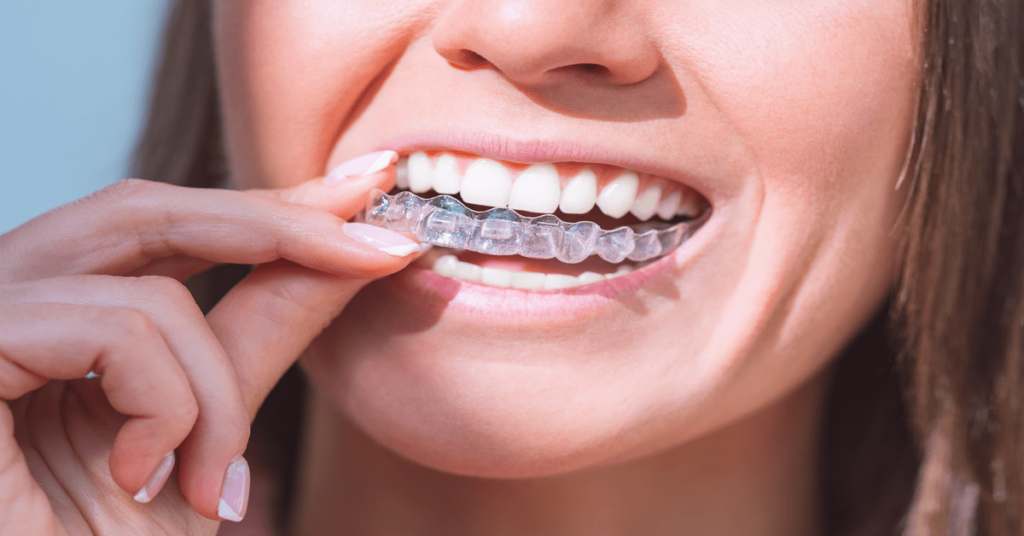
When considering the cost, brace alternatives play a pivotal role. Traditional metal braces, while effective, may not always be the most economical choice. There are material choices available that can offer a more budget-friendly solution without compromising on quality. For instance, ceramic braces are a popular alternative, providing a less noticeable option than metal braces at a slightly higher cost. However, for those looking to minimize expenses, newer materials and technology have introduced options like clear aligners, which can be more affordable depending on the complexity of the treatment needed.
We’re committed to helping you explore all possible options to ensure that orthodontic care is accessible and affordable. By considering less expensive braces and material choices, you’re taking a significant step towards achieving a beautiful smile without straining your finances.
Apply for a Medical Loan
If you’re finding the cost of orthodontic care daunting, applying for a medical loan can offer a feasible financial solution to cover the expenses. We understand how overwhelming it can feel, staring down the barrel of high dental bills without insurance to cushion the blow. That’s why exploring medical loans might just be the lifeline you need.
When we consider medical loans, it’s crucial to pay attention to a couple of key factors: your credit score and the loan terms. A good credit score can unlock lower interest rates, making the loan more manageable in the long run. Meanwhile, favorable loan terms ensure that repayments don’t become a burden.
| Emotion | Credit Score | Loan Terms |
|---|---|---|
| Hope | Good | Flexible |
| Relief | Fair | Manageable |
| Stress | Poor | Strict |
| Joy | Excellent | Lenient |
| Fear | Unknown | Harsh |
We’re here to guide you through this process with empathy and expertise. Remember, your financial situation doesn’t define your worth or the care you deserve. Together, we can navigate these financial waters and find a solution that brings you peace of mind and keeps your orthodontic treatment within reach.
Check for Community Clinics
Seeking out community clinics can offer an affordable pathway to orthodontic care for those without insurance, providing services at reduced rates or even free of charge. We understand how challenging it can be to find quality care without breaking the bank, so we’re here to guide you through this process with empathy and expertise.
Here are three key steps to consider:
- Research Local Clinics: Many community clinics are funded by government assistance or local fundraisers, aiming to serve those in need. These clinics often have sliding scale fees based on income, making orthodontic care more accessible.
- Inquire About Payment Plans: Even at reduced rates, some costs may still seem daunting. Don’t hesitate to ask about payment plans. Many clinics understand financial constraints and are willing to work with patients to create manageable payment schedules.
- Seek Government Assistance Programs: In some cases, government programs may provide additional support for orthodontic care. It’s worth investigating these options, as they can significantly reduce out-of-pocket expenses.
Save on Diagnostic Tests
One effective way to reduce overall costs is by saving on diagnostic tests, which are an essential part of any orthodontic treatment plan. We understand that the financial aspect of care can be daunting, especially without insurance. Therefore, we’re here to guide you through options that can lighten the burden.
| Strategy | Description | Potential Savings |
|---|---|---|
| Negotiate fees | Don’t hesitate to discuss fees with your orthodontist. Many are willing to offer more favorable rates for upfront payment or based on financial need. | Varies |
| Online consultations | Some practitioners offer initial online consultations for free or at a reduced rate. This can save on the costs associated with in-office diagnostic tests. | Time & Money |
| Group discounts | Check if the provider offers discounts for multiple family members undergoing treatment at the same clinic. | % Off |
We’re committed to helping you navigate through these challenges with empathy and expertise. Remember, negotiating fees or opting for online consultations doesn’t mean compromising on quality. It’s about making informed choices that ensure you or your loved ones receive the necessary care without straining your finances. Let’s work together to find solutions that serve your needs and uphold the value of compassionate care.
Conclusion
We’ve explored various options to make orthodontic care more affordable without insurance. These include payment plans, dental discount programs, dental schools, and nonprofit organizations. Additionally, we’ve looked into using health savings accounts, choosing less expensive braces, applying for medical loans, and seeking out community clinics. We’ve also discovered ways to save on diagnostic tests. Through our collective efforts and research, we have successfully navigated the path to affordable orthodontic care without insurance. This journey highlights that with knowledge, determination, and access to the right resources, managing the cost of achieving a healthier smile is achievable.